The UAE has introduced fines for mining on agricultural land.
Date: 2025-10-02 Author: Gabriel Deangelo Categories: IN WORLD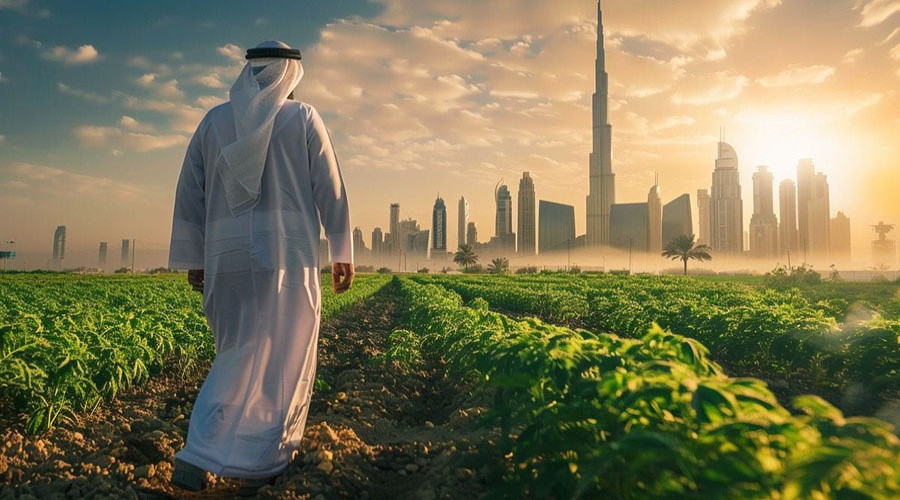
In the United Arab Emirates, cryptocurrency mining on agricultural land is considered a violation of current legislation. According to the new regulations, a fine is imposed for the first violation, and for a repeat offense, the fine increases to 200,000 dirhams (approximately $54,000).
The country's legislation clearly states that such land may be used exclusively for growing agricultural products and livestock farming. All other activities, including the installation of cryptocurrency mining equipment, are considered illegal.
In addition to fines, authorities are imposing additional sanctions. These include:
- Suspension of government subsidies and benefits;
- Disconnection of farms from the power grid;
- Confiscation of equipment used for mining;
- Referral of cases to law enforcement agencies for further investigation.
Regulatory agencies, including ADAFSA, have announced their intention to strengthen monitoring of land use. Officials say these restrictive measures are necessary to maintain the country's food security and prevent the wasteful use of energy, which is strategically important in hot climates.
Therefore, mining on farmland poses not only an economic but also a social risk. Authorities believe the uncontrolled use of energy resources threatens the stability of the agricultural sector and could undermine the sustainability of the domestic food market.
Interestingly, the United Arab Emirates remains one of the world's leaders in terms of population engagement in the cryptocurrency market. According to the analytical platform ApeX Protocol, the UAE and Singapore rank first in the rankings for the number of citizens actively using cryptocurrencies and related services.
Thus, the country's authorities are demonstrating a dual approach: on the one hand, they support the development of the crypto industry and allow the population to actively engage with digital assets, while on the other, they strictly limit the use of resources intended for agriculture.
Experts believe this decision reflects the government's strategy of seeking a balance between innovation and the traditional sector of the economy. Food security and the rational distribution of energy resources remain a priority.