The Bank of Korea (BoK) has called on banks to oversee the issuance of stablecoins.
Date: 2025-10-29 Author: Gabriel Deangelo Categories: CRYPTO PAYMENTS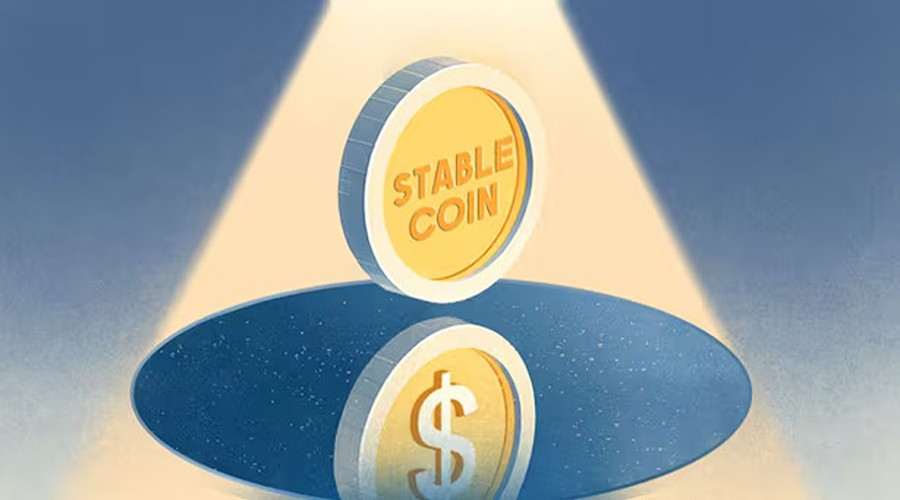
The Bank of Korea (BoK) has published an analytical report expressing concern about the sustainability of stablecoins pegged to the South Korean won. The document notes that private issuers lack sufficient public trust and institutional mechanisms to guarantee the stability of such coins.
According to the regulator, the issuance of stablecoins should be overseen by traditional banks with a proven track record and the ability to ensure investor protection. The BoK drew a historical parallel, comparing the current risks to the failures of 19th-century monetary systems under the free banking regime in the United States. The central bank emphasized that the threat of depegging—the loss of a token's stable peg to the underlying asset—remains a key risk for the entire ecosystem.
As an example, the regulator cited the collapse of the Terra ecosystem, when the algorithmic stablecoin collapsed in just a few days, leaving thousands of investors without funds. This incident, according to BoK representatives, demonstrated the vulnerability of systems based solely on algorithms and trust in private companies.
BoK also noted that even established projects, such as Circle's USDC, can have trouble maintaining their value. For example, during the US banking crisis in 2023, the price of USDC briefly fell below $0.9. These events confirmed that even large issuers are not immune to disruptions and market shocks.
The report places particular emphasis on stablecoins denominated in currencies other than dollars, including the South Korean won. The regulator believes that such projects require even stricter oversight, as their liquidity and circulation are limited.
Despite these warnings, the Bank of Korea emphasizes that it does not intend to hinder the development of innovation in digital finance. However, the primary focus is on the need to build a system of investor protection and ensure operational transparency.
In the conclusion of the report, the Bank of Korea asks: before assessing the technological capabilities of stablecoins, it is necessary to determine whether their issuers can be trusted. The regulator calls on companies issuing such assets to increase their level of transparency and create compensation mechanisms in the event of loss of the currency peg.
As a reminder, back in the spring of 2025, the Bank of Korea announced its intention to actively participate in the development of legislation regulating the issuance and circulation of stablecoins. This report confirms that the regulator maintains a firm stance regarding the oversight and reliability of such digital assets.