Bank Indonesia to Create National Stablecoin Backed by Government Bonds
Date: 2025-10-30 Author: Gabriel Deangelo Categories: IN WORLD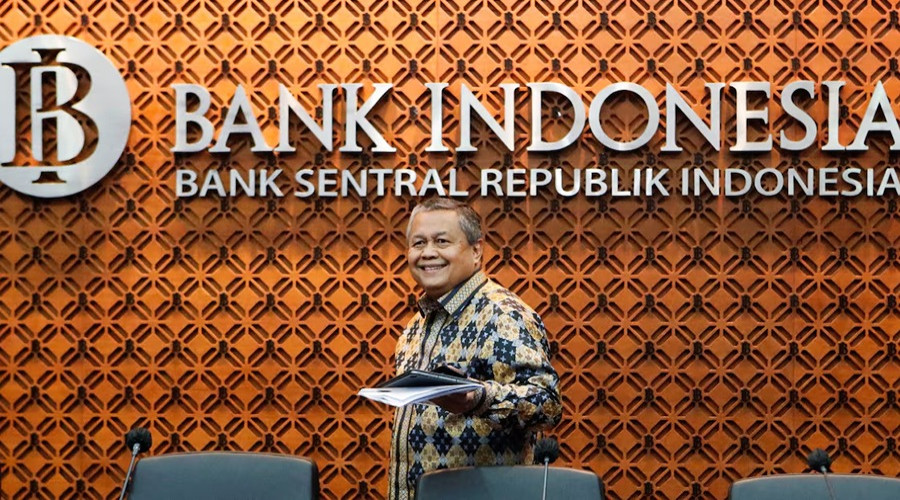
Bank Indonesia (BI) is preparing to launch its own stablecoin, backed by government bonds. This was announced by Bank Governor Warjio at the Indonesia Digital Finance and Economy Festival, held in conjunction with the Fintech Summit 2025 in Jakarta.
According to him, the new digital version of the rupiah will be a tool for maintaining liquidity and stability in the financial market. It will be issued in the form of BI digital securities, based on SBN bonds. Indonesia thus plans to create a national alternative to existing stablecoins that dominate the global market.
The regulator intends to strengthen the rupiah's position in the global digital economy, where dollar-backed tokens like USDT and USDC remain key players. Their widespread use, as BI representatives note, contributes to the outflow of liquidity from the country and weakens the national currency. Many local investors prefer these tokens to protect their assets from currency risks, which only increases dependence on the dollar.
Furthermore, remittances from migrant workers working abroad play a significant role in the Indonesian economy. In 2024, their total volume exceeded $16 billion, and some of these funds are also transferred using foreign stablecoins. The new government token could become a more secure and profitable instrument for such transactions, keeping capital within the country.
According to data from the analytics company Chainalysis, Indonesia has significantly strengthened its position in the crypto market. In the latest "Global Cryptocurrency Adoption Index 2025," the country ranked seventh overall. Indonesia ranked ninth in retail transactions, seventh in centralized services, and fourth in DeFi, reflecting the growing engagement of the population in the digital economy.
Nevertheless, the country's authorities are tightening regulation of the industry. Previously, the Indonesian Ministry of Finance increased tax rates for crypto market participants—both traders and miners. These measures are aimed at increasing transparency and oversight of financial flows in the rapidly developing sector.
The launch of a state-issued stablecoin is expected to be an important step toward integrating the national currency into the digital ecosystem and strengthening its role on the international stage.