The Polish President rejected a proposed crypto market regulation, citing risks to civil liberties.
Date: 2025-12-03 Author: Henry Casey Categories: IN WORLD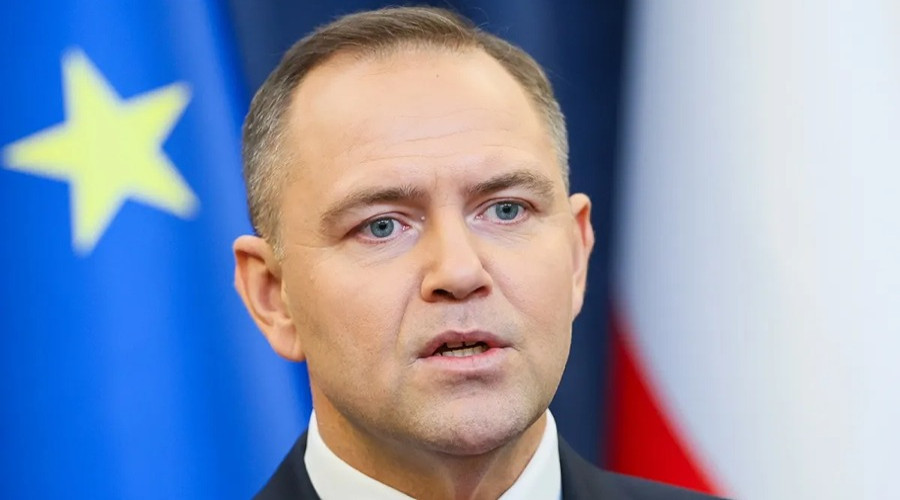
Polish President Karol Nawrocki vetoed a major bill that would have defined regulations for the country's cryptocurrency sector. He claimed that the proposed regulations pose risks to civil liberties, restrict business development, and contradict the European approach to digital assets. This move sparked a heated political dispute between advocates of strict regulation and those who consider the document overly restrictive.
The main issue highlighted by the president was the mechanism for blocking internet domains associated with cryptoassets. The Chancellery emphasized that the system for effectively disabling websites was vaguely defined and could be used without proper oversight. Nawrocki pointed out that such a tool could violate user rights and open the door to abuse, which is at odds with the more lenient oversight standards in place in other EU countries.
Another point of criticism concerned the overall structure of the document. The President noted that its excessive complexity would reduce the transparency of the rules and would effectively create harsher conditions than in the Czech Republic, Slovakia, or Hungary. According to Nawrocki, overly complex regulations could push entrepreneurs to neighboring jurisdictions and worsen the business climate, making Poland less attractive for companies working with digital assets.
He paid special attention to the financial requirements for market participants. The veto was motivated by the belief that the established supervisory fees could slow the development of small projects and create an advantage for large foreign institutions and banks. The President emphasized that such an imbalance hinders competition and inhibits innovation.
The decision sparked criticism from some parts of the government. Finance Minister Andrzej Domański stated that deregulation is exacerbating chaos in a market where many users are already facing fraud. Deputy Prime Minister Radosław Sikorski also expressed dissatisfaction, stating that the law was intended to protect citizens from cryptocurrency risks.
However, industry representatives took the opposite position. Economist Krzysztof Piech noted that law enforcement agencies already have sufficient tools to combat violations. Experts also noted that, starting in July 2026, a single regulatory standard under MiCA will be implemented across all EU countries, ensuring a coordinated approach to investor protection.
The future of Polish crypto market regulation remains uncertain: Parliament will decide whether the document will be revised or put to a vote again.