Hong Kong Launches Discussion on New Tax Regulations for Cryptoassets
Date: 2025-12-10 Author: Gabriel Deangelo Categories: IN WORLD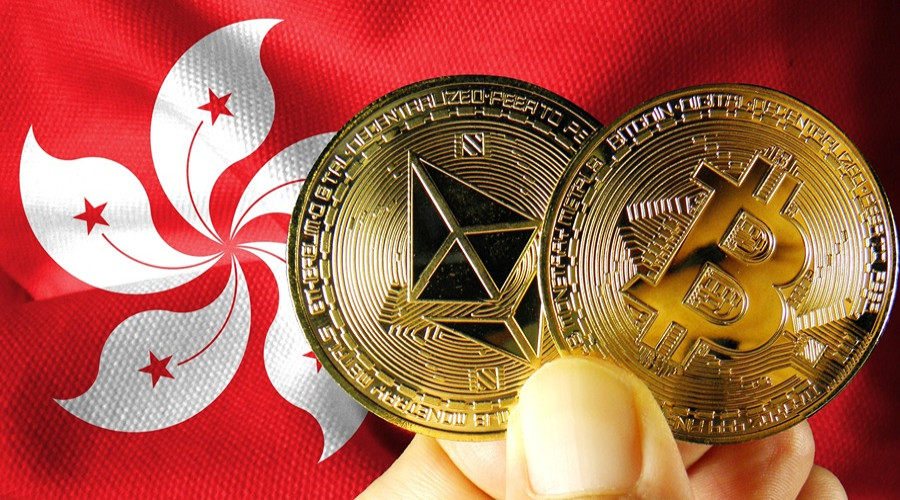
Hong Kong authorities have announced the launch of a consultation on the implementation of the Cryptoasset Reporting Framework (CARF) and an updated CRS standard, developed by the Organisation for Economic Co-operation and Development (OECD). The discussions, which began on December 9, aim to increase tax transparency amid the rapid growth of the crypto market. Since 2018, the city has already been automatically exchanging financial data with CRS partners, but the growth of cryptocurrencies has necessitated the creation of a new CARF standard in 2023, which will require the annual exchange of tax information on digital asset transactions.
Secretary for Financial Services and the Treasury Christopher Hoy noted the importance of adapting to international requirements: "To demonstrate our commitment to international tax cooperation, combat tax evasion, and maintain Hong Kong's reputation as a global financial center, we will amend the Tax Code." All necessary amendments are scheduled to be completed in 2026, and information exchange with other countries will begin in 2028. The updated CRS will be implemented from 2029.
At the same time, the OECD is conducting a second round of assessments of the effectiveness of Hong Kong's CRS system. To maintain a high rating, authorities propose introducing mandatory registration for financial institutions and strengthening fines and oversight mechanisms. A consultation document detailing reporting, data retention, and sanctions requirements has been published on the website of the Financial Services and the Treasury Bureau, and comments are being accepted until February 6, 2026.
This initiative is part of a broader digital finance reform in Hong Kong. In April 2025, Finance Minister Paul Chan announced legislation to regulate stablecoins, license custodians and over-the-counter (OTC) platforms, and introduce new rules for crypto ETFs. In July, the Monetary Authority required stablecoin issuers to obtain licenses and all owners to undergo identification. In November, the Securities and Futures Commission (SFC) authorized crypto exchanges to connect to global liquidity pools to improve trading efficiency and deepen the market.
Thus, Hong Kong is gradually building a modern system of digital asset oversight, combining international standards with national financial sector reforms.