Weekly: Fed decision, Do Kwon's sentence, the stablecoin boom in Ukraine, and US banks' rapprochement with the crypto industry
Date: 2025-12-15 Author: Gabriel Deangelo Categories: BUSINESS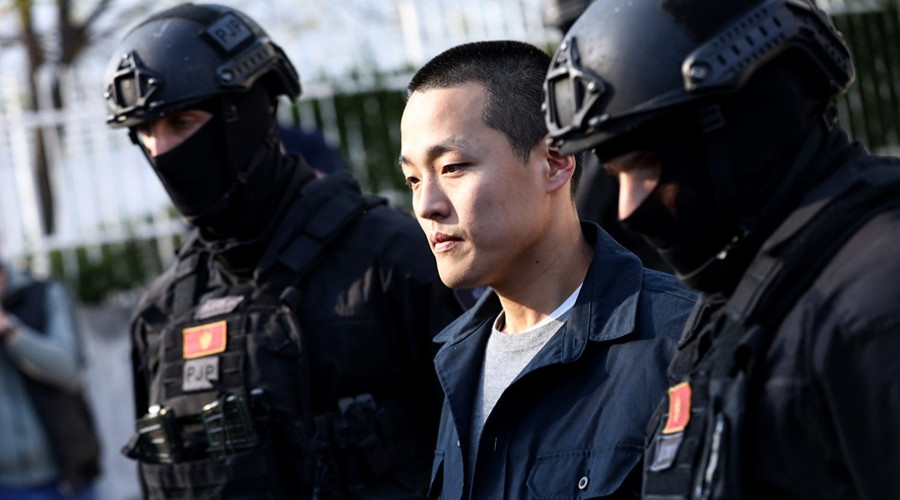
Over the past week, the crypto market found itself at the intersection of macroeconomic decisions, regulatory shifts, and technological initiatives. The US Federal Reserve cut its key interest rate by 25 basis points to a range of 3.5%–3.75%, a move largely anticipated by market participants. Much more attention was drawn by the regulator's hints about a possible pause in policy easing in 2026, especially amid political pressure and the Donald Trump administration's preparations for a change in Fed leadership. The crypto market's reaction was muted: Bitcoin continued to fluctuate between $88,000–$94,000, with analysts considering sideways movement or a moderate correction.
Bitcoin itself exhibited volatile dynamics throughout the week. An additional factor of uncertainty was the movement of old wallets associated with the Silk Road, which had transferred some of their funds after years of inactivity. At the institutional level, sentiment also shifted: Standard Chartered revised its 2025 BTC price forecast to $100,000, citing weakening demand from major players. Growth in corporate Bitcoin treasuries slowed, and the shares of companies using BTC accumulation strategies fell significantly on average. Strategy, meanwhile, announced a long-term holding plan, while Strive, conversely, is preparing for new placements for future acquisitions.
Ethereum has also been in the spotlight. BlackRock has filed with the SEC to launch the iShares Staked Ethereum Trust, which could give institutional investors access not only to the asset's price but also to staking returns. At the same time, Vitalik Buterin proposed an on-chain gas futures market that could reduce the risk of sharp fee spikes. These initiatives highlight the network's move toward a more mature and predictable financial infrastructure.
A significant event of the week was the sentencing of Terraform Labs co-founder Do Kwon: a US federal court sentenced him to 15 years in prison for fraud and conspiracy related to the collapse of the Terra ecosystem and tens of billions of dollars in investor losses. The court noted that Kwon knowingly misled the market by downplaying the risks of the algorithmic stablecoin Terra USD.
Against these backdrops, stablecoins continue to strengthen their position in the real economy. In 2025, Ukraine became the world leader in the ratio of stablecoin transactions to GDP, demonstrating the practical utility of digital dollars in everyday transactions. Large companies are also expanding their use of such assets: YouTube has begun paying content creators in PYUSD via PayPal, without requiring direct interaction with crypto exchanges.
The regulatory landscape remains uneven. In the US, the OCC conditionally approved applications from Circle, Ripple, BitGo, Paxos, and Fidelity Digital Assets for trust banking licenses, furthering the integration of crypto companies into the banking system. At the same time, the SEC and CFTC are increasingly delineating their powers, developing parallel approaches to market oversight.
Overall, the week demonstrated that despite a short-term cooling and increased caution, the crypto industry continues to develop structurally—from banks and stablecoins to Ethereum infrastructure and long-term institutional strategies.