Visa Launches USDC Settlements via Solana for US Banks
Date: 2025-12-17 Author: Henry Casey Categories: BUSINESS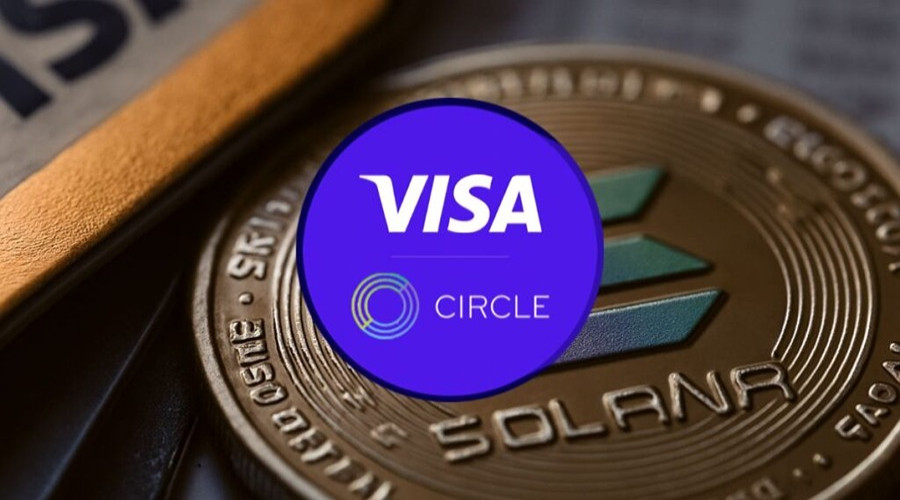
Payment giant Visa has announced the launch of an infrastructure that will allow US banks to process settlements using the USDC stablecoin on the Solana network, according to sources familiar with the company's decision. The first participants in the new initiative are Cross River Bank and Lead Bank, which have already connected to the updated payment system.
This innovation is focused on Visa's core business—settlement and clearing operations. As company representatives emphasized, the use of regulated, fully backed stablecoins allows some traditional payment processes to be migrated to a blockchain environment without compromising reliability or regulatory compliance. This allows banks to use digital dollars in everyday transactions within the country.
Visa's global head of development noted that the company has long been working with digital assets internationally and is now ready to scale these solutions to the US market. He stated that legal certainty and the evolving regulatory framework in the US have created conditions under which banks can safely use stablecoins for settlements between financial institutions.
Cross River Bank representatives also noted growing interest from fintech companies and crypto-focused clients. According to the bank's senior vice president of product, demand is driven by new use cases where transaction speed, transparency, and reduced operating costs are important. Connecting to Visa's USDC-supported infrastructure allows banks to more quickly serve such requests.
Experts note that the choice of the Solana blockchain is due to its high throughput and low fees. This makes the network convenient for mass payment transactions, including interbank settlements. The use of USDC, in turn, reduces the volatility typical of cryptocurrencies and brings blockchain payments closer to traditional financial instruments.
Visa believes that support for stablecoins opens up new audiences for banks, including startups and companies working with digital assets. These clients are increasingly seeking partners capable of integrating blockchain solutions into traditional financial infrastructure. In the long term, market participants believe that stablecoins could become an integral part of payment systems.
Visa has previously expanded its presence in the digital asset space by adding support for several stablecoins on various blockchain networks for international transactions. The current move, with the launch of USDC settlements through Solana for US banks, confirms the company's strategy of gradually introducing blockchain technologies into traditional financial processes.