South Korean authorities are pushing for the legalization of stablecoins to preserve financial independence.
Date: 2025-12-22 Author: Gabriel Deangelo Categories: IN WORLD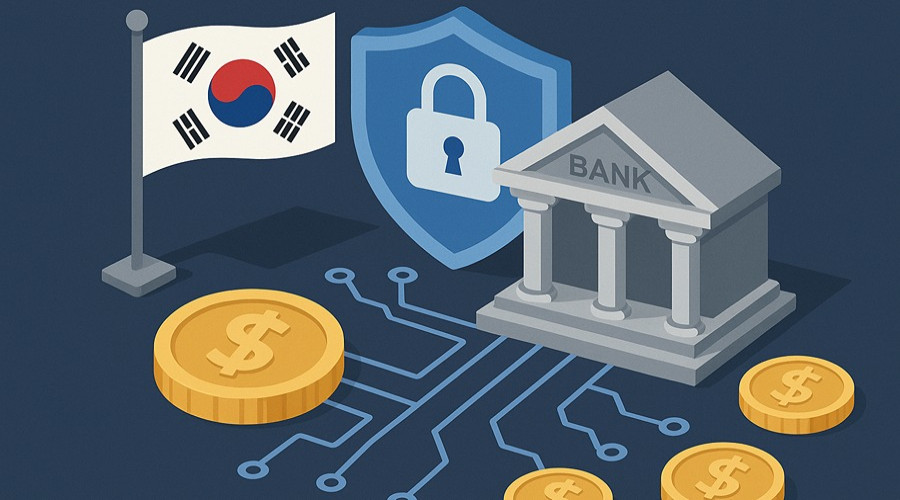
Calls are growing in South Korea for the rapid creation of a legal framework for stablecoins, which politicians believe have already become an integral part of the modern financial system. This statement was made by Democratic Party lawmaker Min Byung-duk, who pointed out the risks the state could face if it ignores this segment of digital assets.
According to the lawmaker, global financial standards are rapidly changing, and digital currencies pegged to fiat money are actively used in international trade and settlements. Under these circumstances, South Korea could find itself in a situation where key payment processes become dependent on foreign instruments, primarily dollar-denominated stablecoins. This, Min noted, poses a direct threat to the country's financial and payment sovereignty.
He emphasized that dollar-pegged tokens are already effectively integrated into the global economy. If Seoul doesn't offer its own solution in the form of a stablecoin backed by the Korean won, businesses will be forced to use foreign digital assets regardless of the government's position. In the long term, this could weaken the influence of national monetary policy and increase external dependence.
The deputy also noted that stablecoins are already finding practical applications within the country. Some companies, he noted, pay salaries to foreign employees in tokens pegged to the US dollar. Furthermore, businesses view such assets as a convenient tool for international payments, reducing costs and speeding up transactions.
At the same time, Min Byung-duk urged people not to limit themselves to viewing stablecoins solely as a security mechanism. He believes that the issuance of a digital asset backed by the won could become a growth driver for the economy. He believes such an instrument could find application in the payment of cultural content, digital services, and small and medium-sized businesses.
The creation of a national stablecoin will allow South Korea to establish its own share in the rapidly growing market and reduce the dominance of dollar-denominated tokens in regional and international settlements. This, the MP noted, will give the country greater control over financial flows and increase the economy's resilience to external shocks.
The Central Bank of Korea previously voiced a similar position, advocating for banks, rather than private companies, to issue stablecoins. The regulator believes this approach will preserve the stability of the financial system and strengthen oversight of digital assets.